


Rated heat duty
State the required rated thermal power in kW, MW or kcal/h, including known startup demand and process losses.
Thermal fluid system engineering
30 years of professional manufacturing experience · One of China’s leading industrial boiler manufacturers
Focused on quality, system engineering and equipment reliability, JIELI connects heat duty, temperature, circulation, fuel and system interfaces into one engineered thermal oil heater specification.
Buyer terminology
These terms usually describe the same basic function: a heater raises the temperature of a circulating heat-transfer fluid in a closed process loop. “Thermal fluid heater” is common in North America, “thermal oil heater” is widely used internationally, and “thermic fluid heater” is common in South Asia and parts of the Middle East.
The purchasing term matters for search, but the engineering basis is the same: required heat duty, temperature profile, fluid properties, flow, pressure drop and safety architecture.
Selection information
Providing these inputs allows the heater, circulation system, combustion equipment, controls and supply boundary to be checked together.
State the required rated thermal power in kW, MW or kcal/h, including known startup demand and process losses.
Provide the temperature required by the heat-using equipment—the thermal oil heater outlet temperature—and the expected return temperature where known.
Identify any minimum flow required by the process. Reactor heating and other high-circulation duties may need a larger flow than a duty-only estimate suggests.
Confirm natural gas, LPG, diesel, heavy oil, wood chips, pellets, other biomass or coal, together with the available fuel specification.
Provide the applicable limits for NOx, SOx, particulate matter and stack discharge, plus any local approval or monitoring requirements.
Define the expected thermal-efficiency level and whether waste-heat recovery, air preheating or other efficiency measures should be included.
State preferred control components or PLC/DCS platform, automation level, remote communication needs, and the preferred grade or brand level of instruments.
Clarify whether the requirement covers the heater only or a complete system with pumps, tanks, controls, fuel handling, emissions equipment, piping and site services.
Fuel strategy
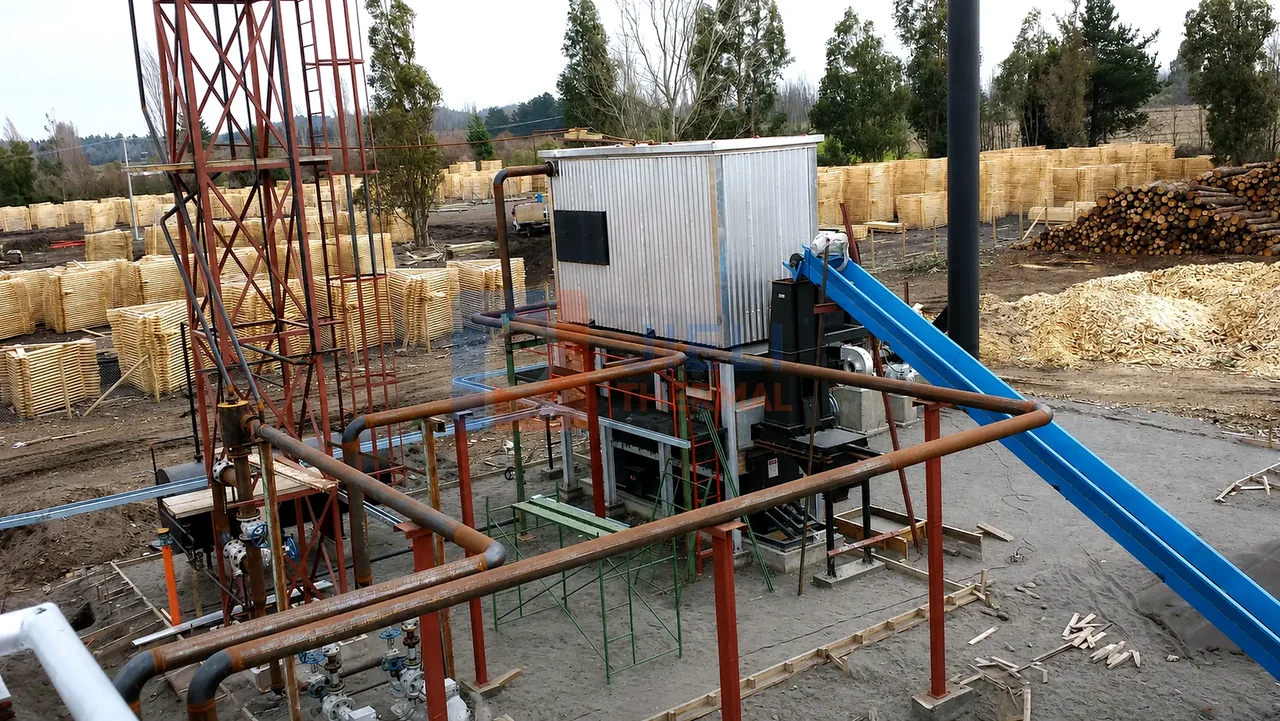
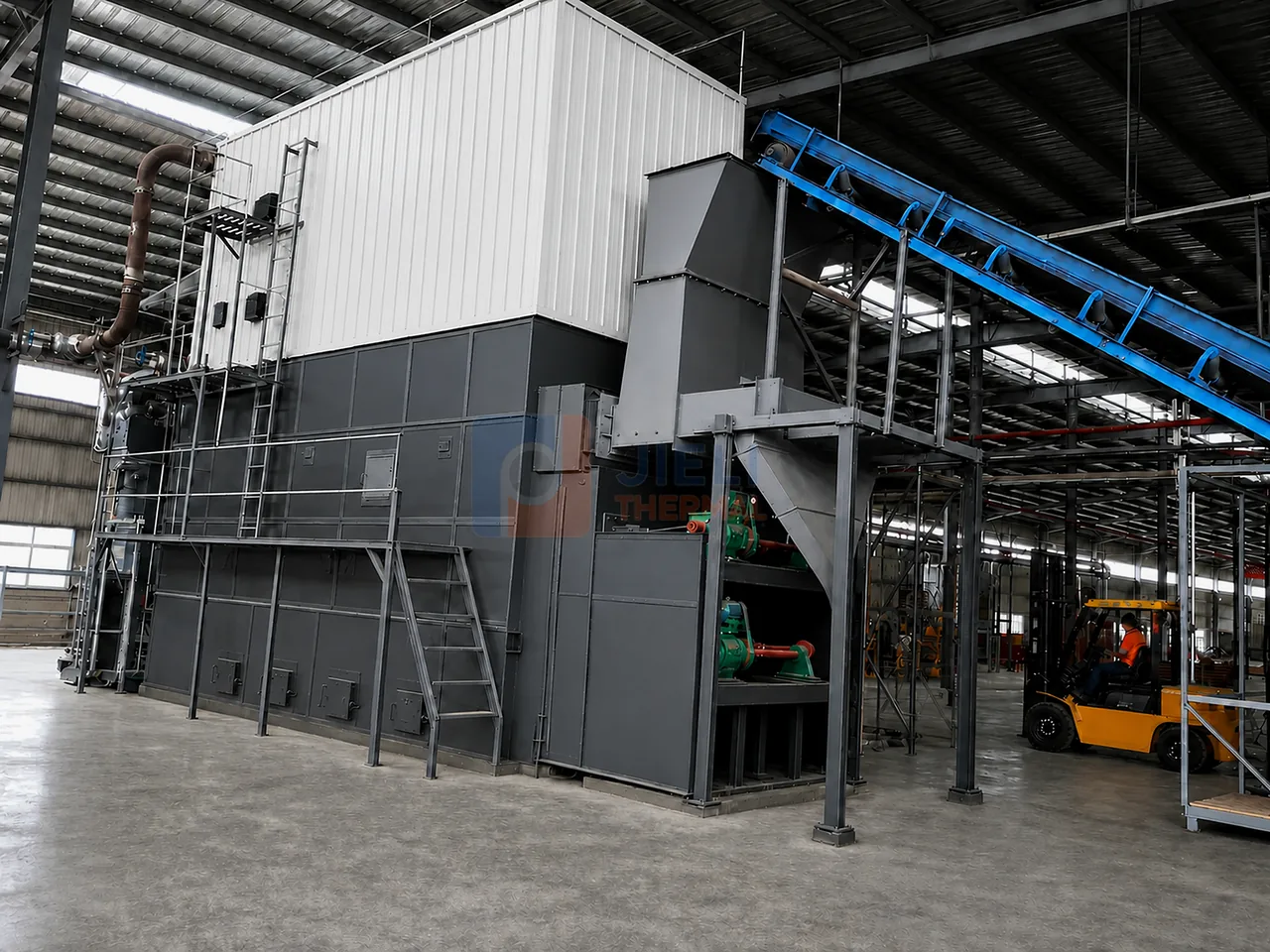
Gas and light-oil heaters offer compact layouts and fast response. Biomass and coal systems require fuel preparation, controlled feeding, ash removal, draft equipment and larger emissions-control scope.
Capacity language
These are unit conversions for early comparison, not final model selections. Available series and circulation parameters depend on fuel and design conditions.
| Nominal duty | MW | Approx. MMBtu/h | Typical purchasing query |
|---|---|---|---|
| 1,000,000 kcal/h | 1.163 MW | 3.97 | 1 million kcal thermal oil heater |
| 2,000,000 kcal/h | 2.326 MW | 7.94 | 2 million kcal thermic fluid heater |
| 4,000,000 kcal/h | 4.652 MW | 15.87 | 4 million kcal biomass thermal oil boiler |
| 8,000,000 kcal/h | 9.304 MW | 31.74 | 8 million kcal hot oil heater system |
| 12,000,000 kcal/h | 13.956 MW | 47.61 | 14 MW industrial thermal fluid heater |
| 25,800,000 kcal/h | 30.000 MW | 102.36 | 30 MW engineered thermal oil heater system |
Complete system scope
Duty/standby pumps, strainers, differential pressure checks and piping sized for the selected thermal fluid.
Expansion volume, high-point arrangement, low-pressure control and optional nitrogen blanketing.
Flow proof, high-temperature trips, furnace pressure, burner interlocks and controlled shutdown logic.
Economizer or air-preheater selection based on stack temperature, corrosion limits and operating hours.
Real manufacturing & project evidence
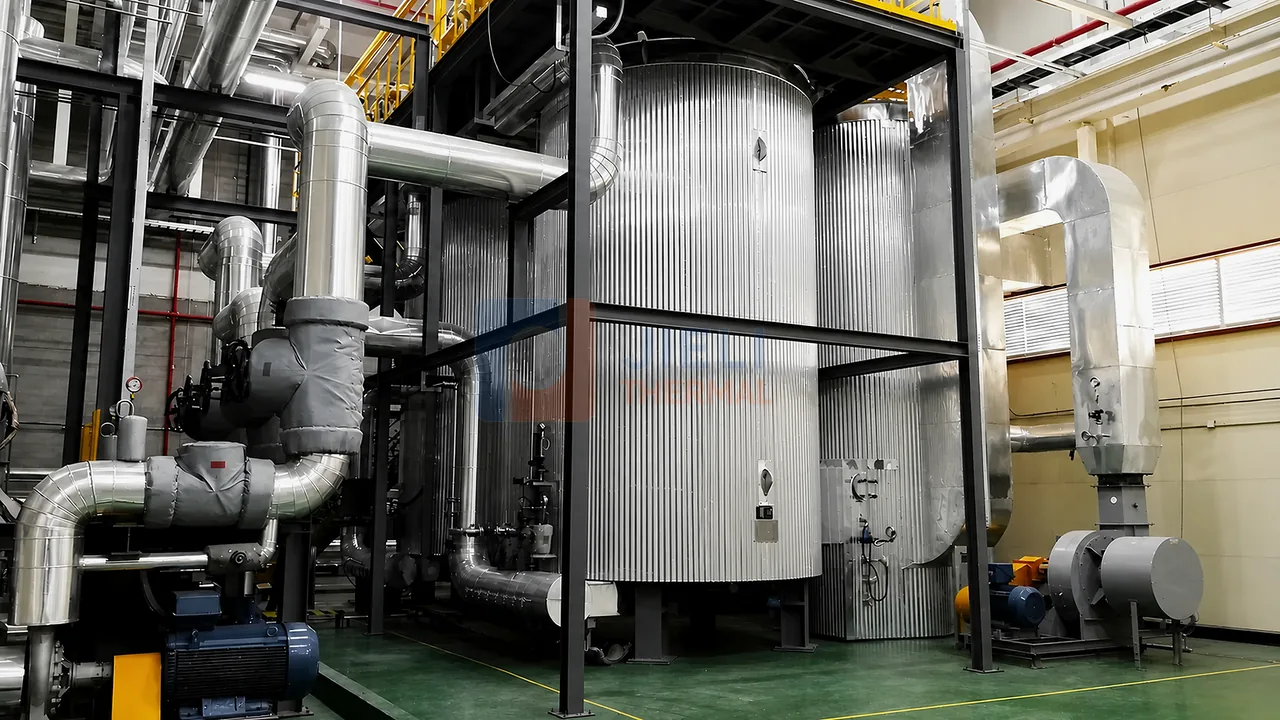
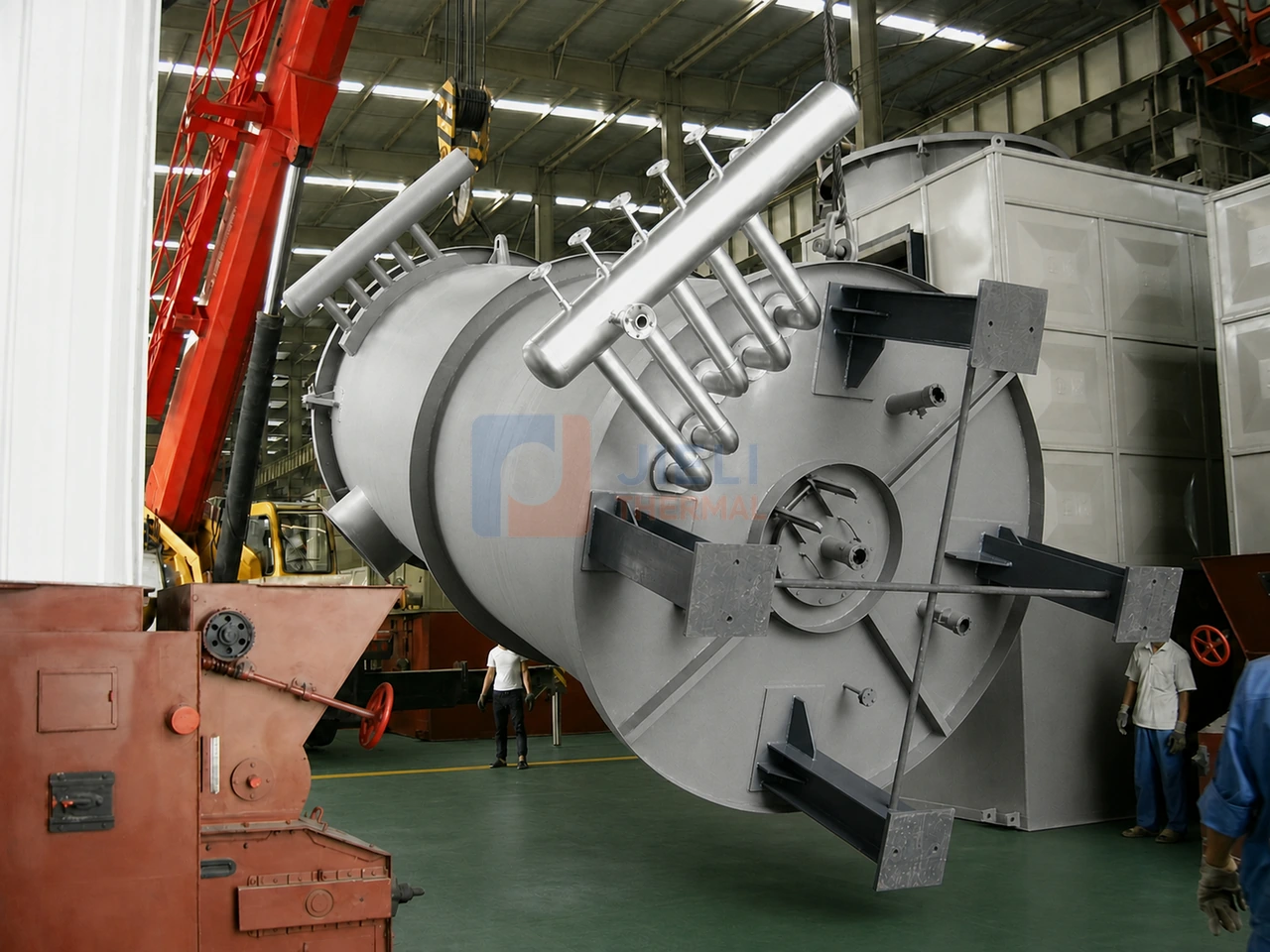
These are real workshop, delivery and installed-system records. The galleries remain on this product page so buyers and search engines can connect each configuration with its manufacturing context without navigating through a deep page hierarchy.
Coil fabrication, body assembly, factory delivery and operating installations for YL, YQW and YW thermal fluid heater series.
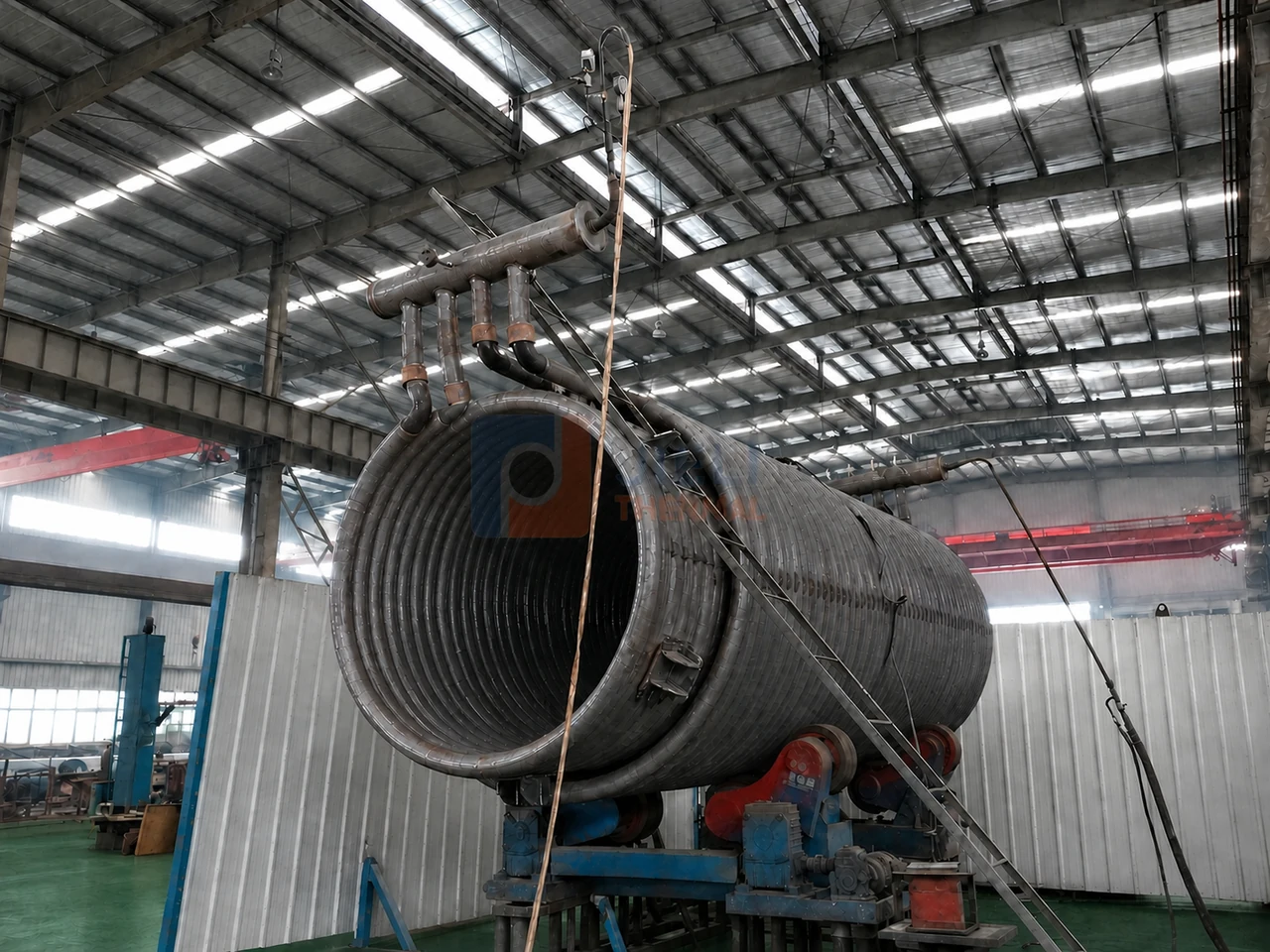
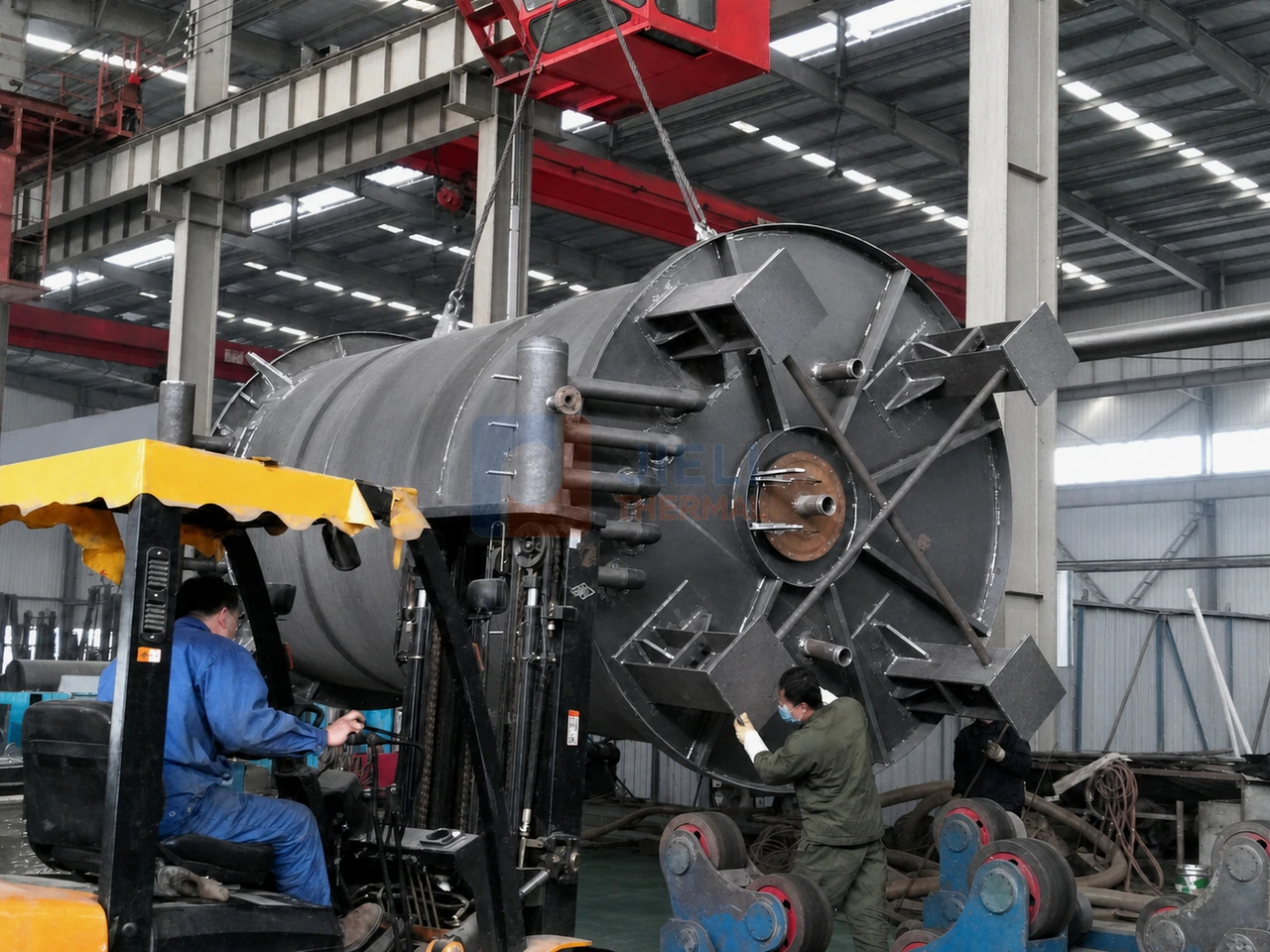
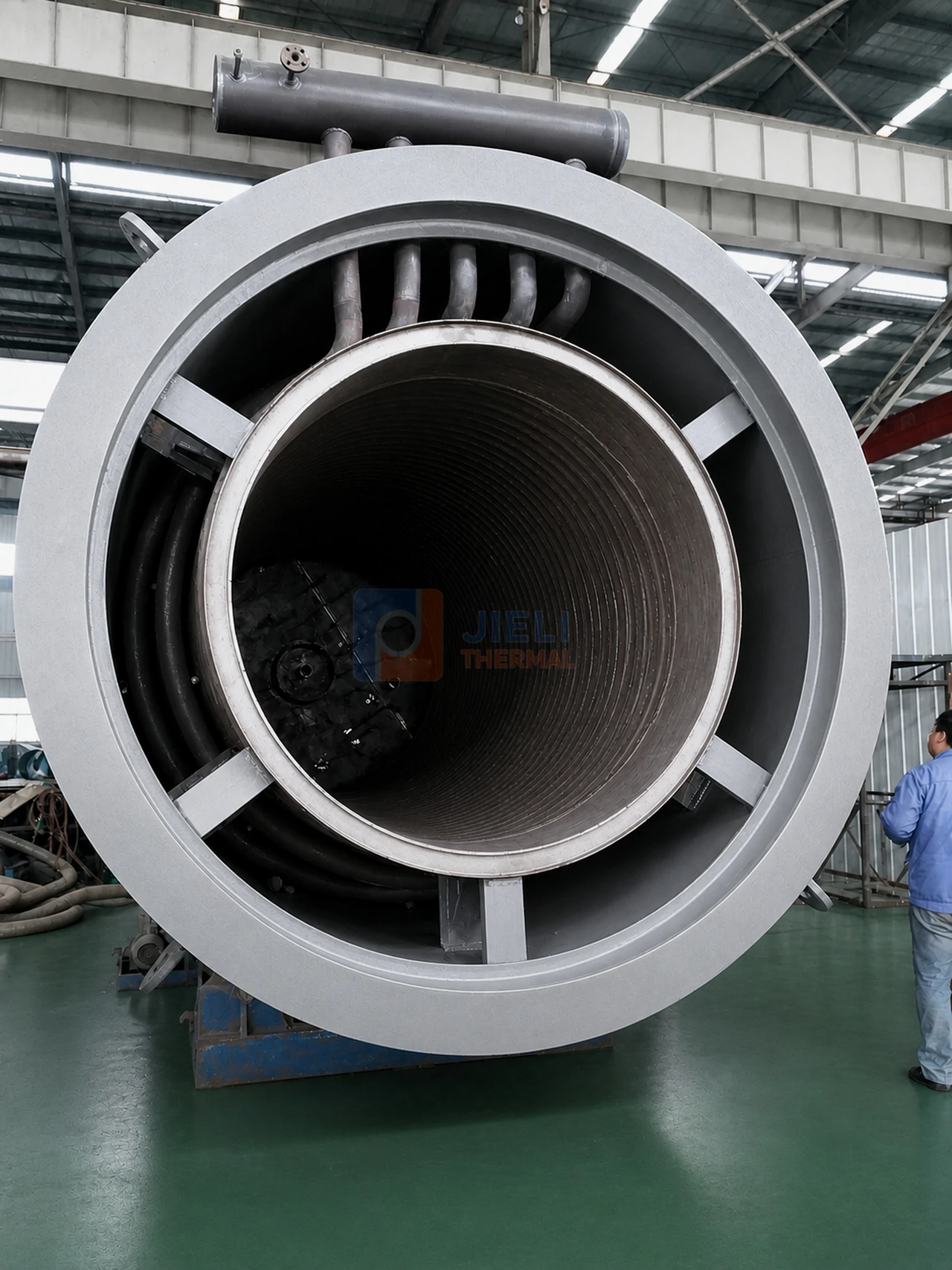
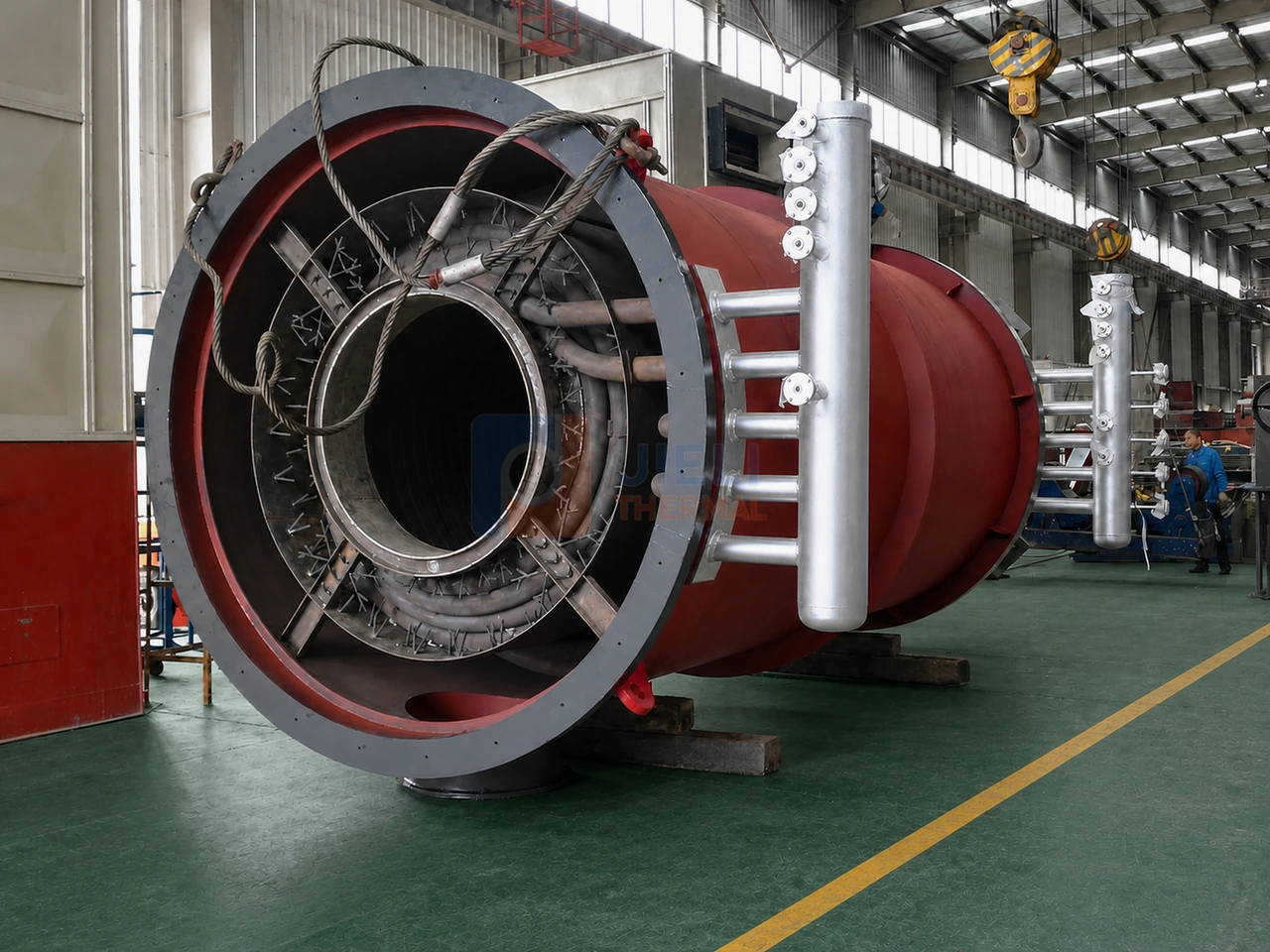
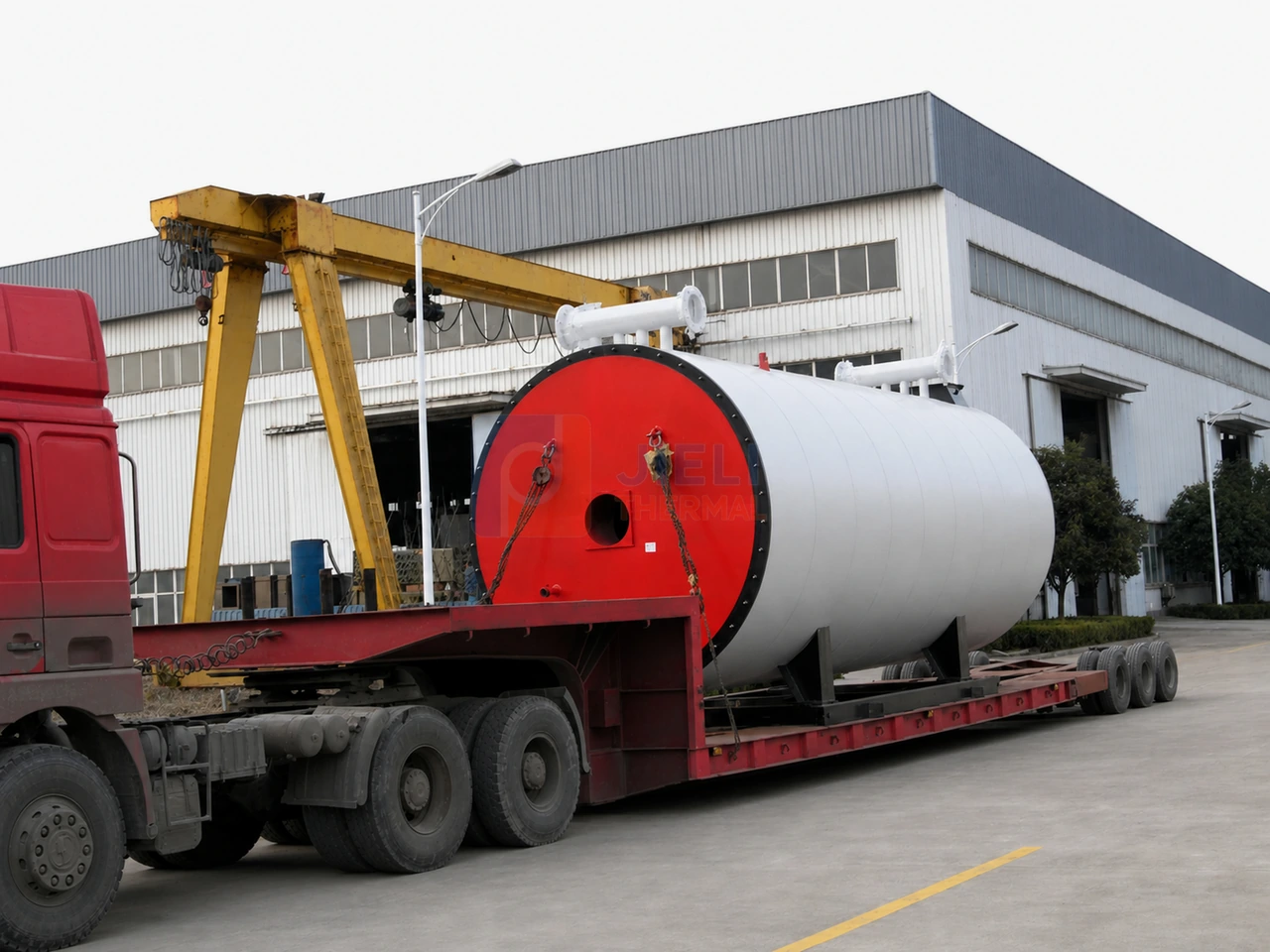
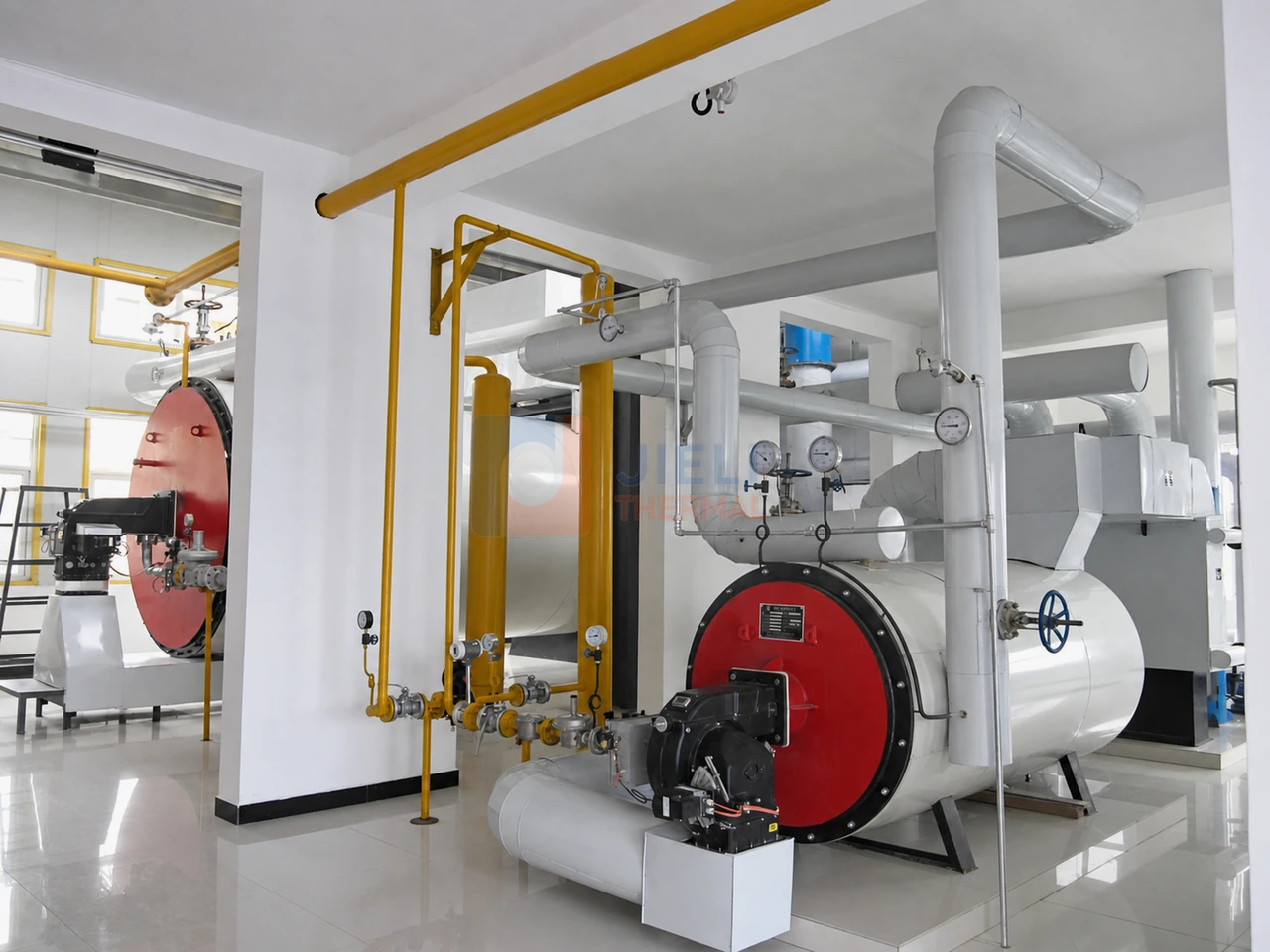
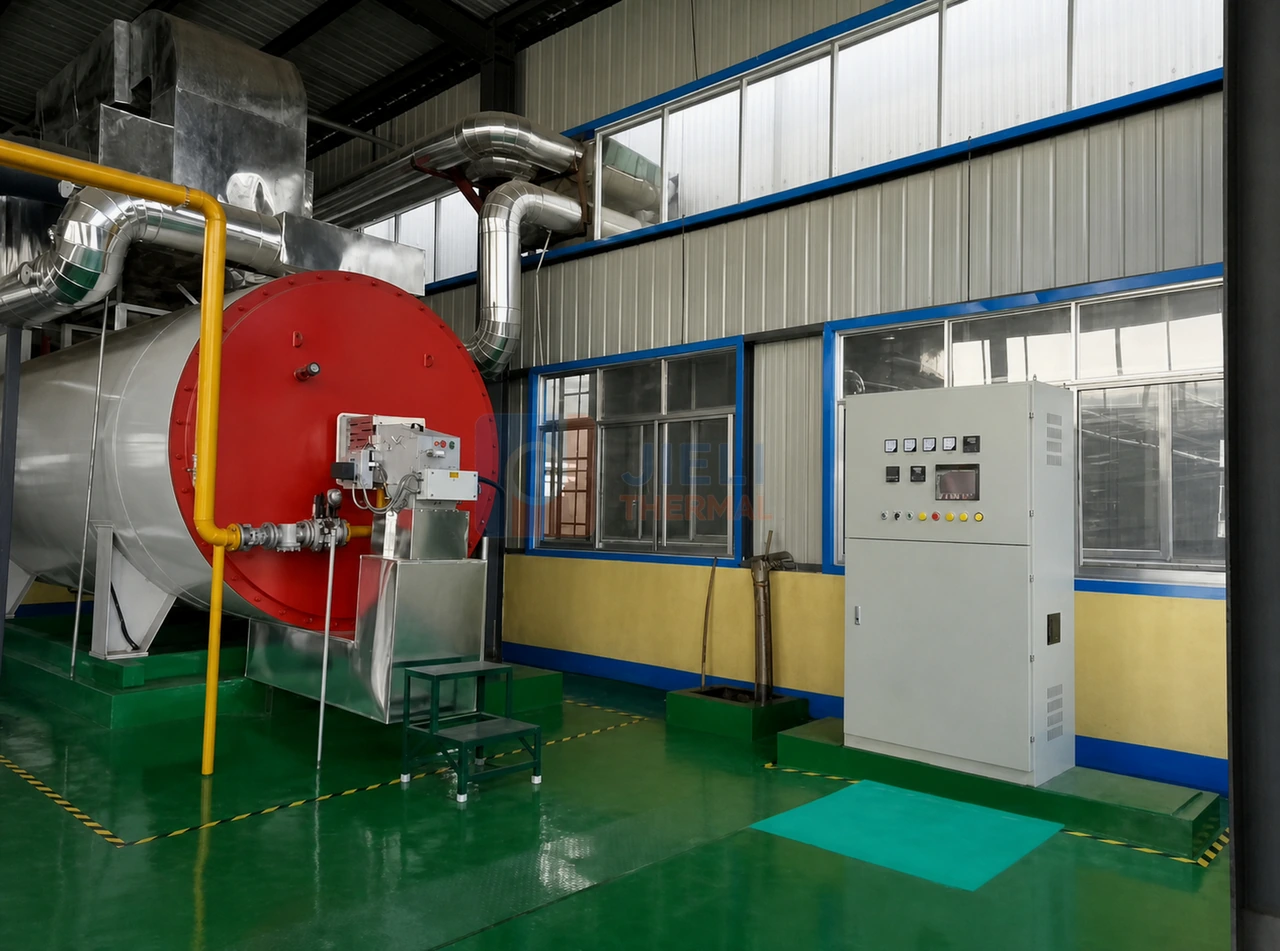
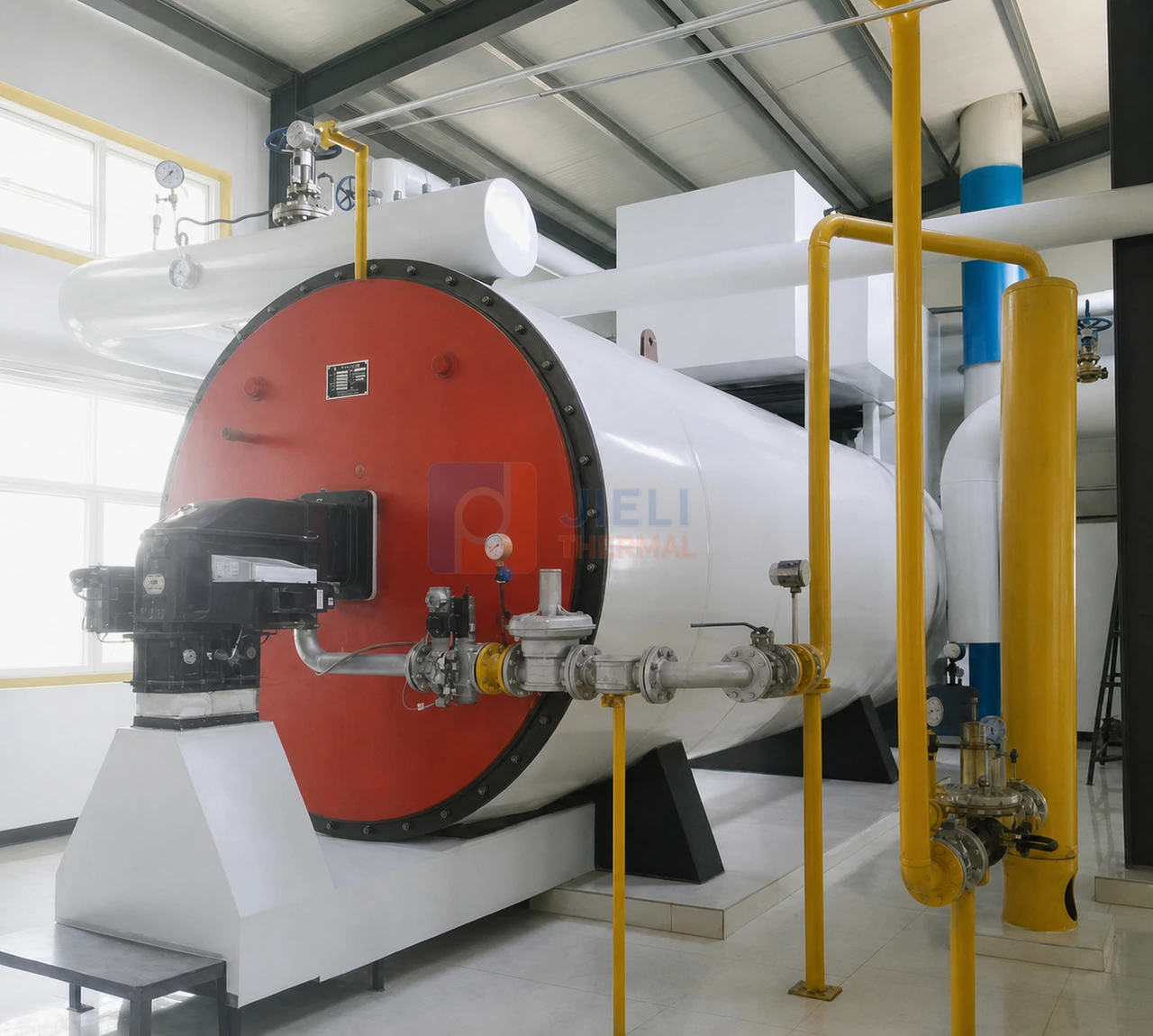
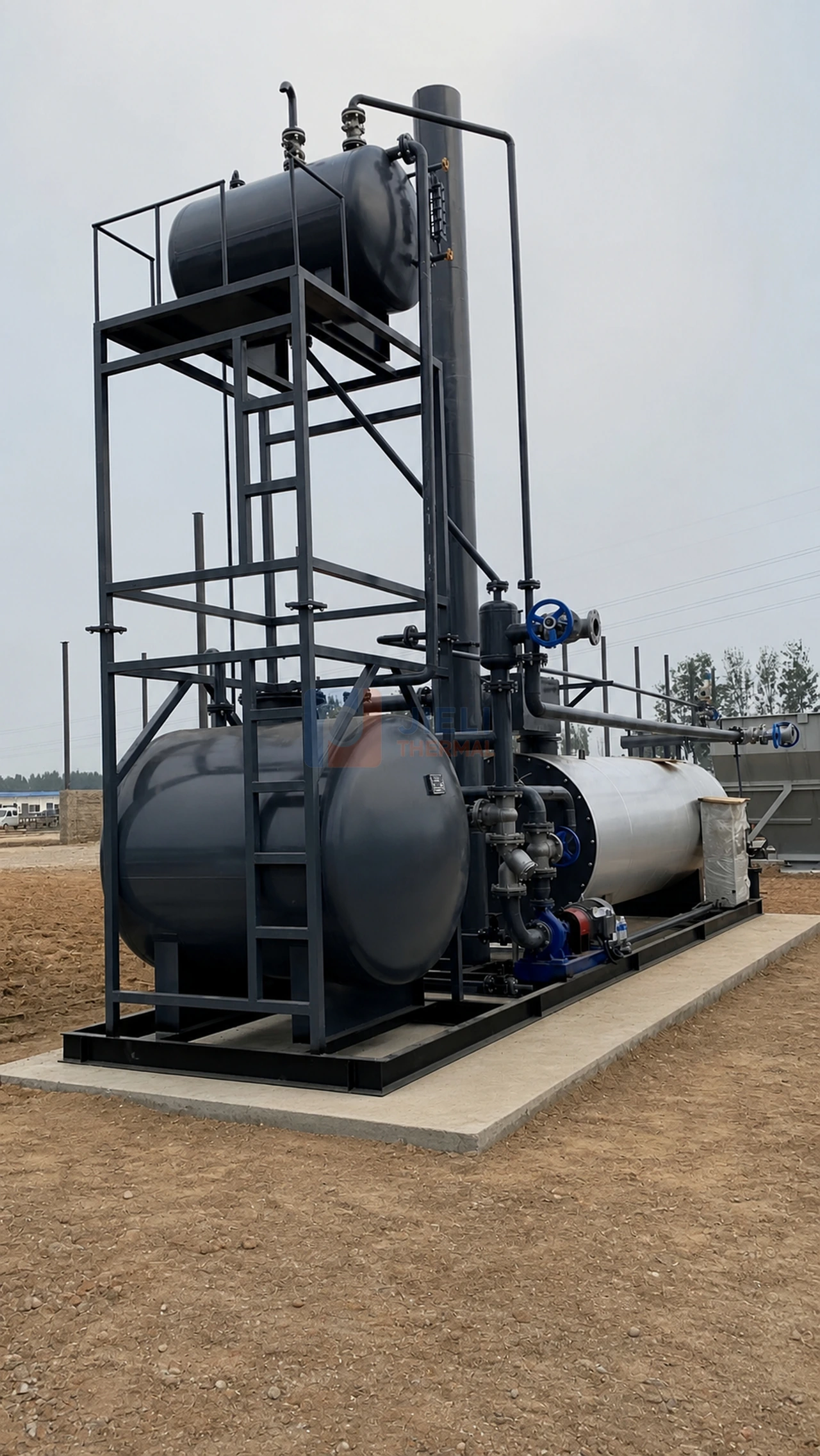
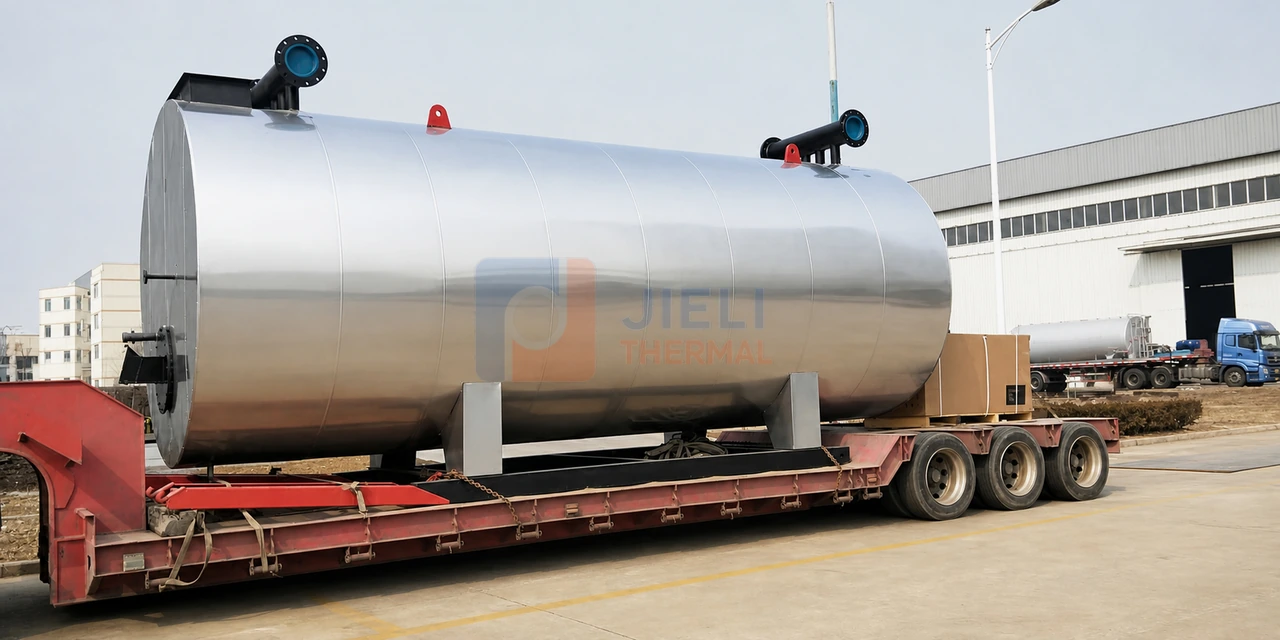
Vertical and horizontal heaters for wood chips, pellets, qualified shells and other project-specific biomass fuels.
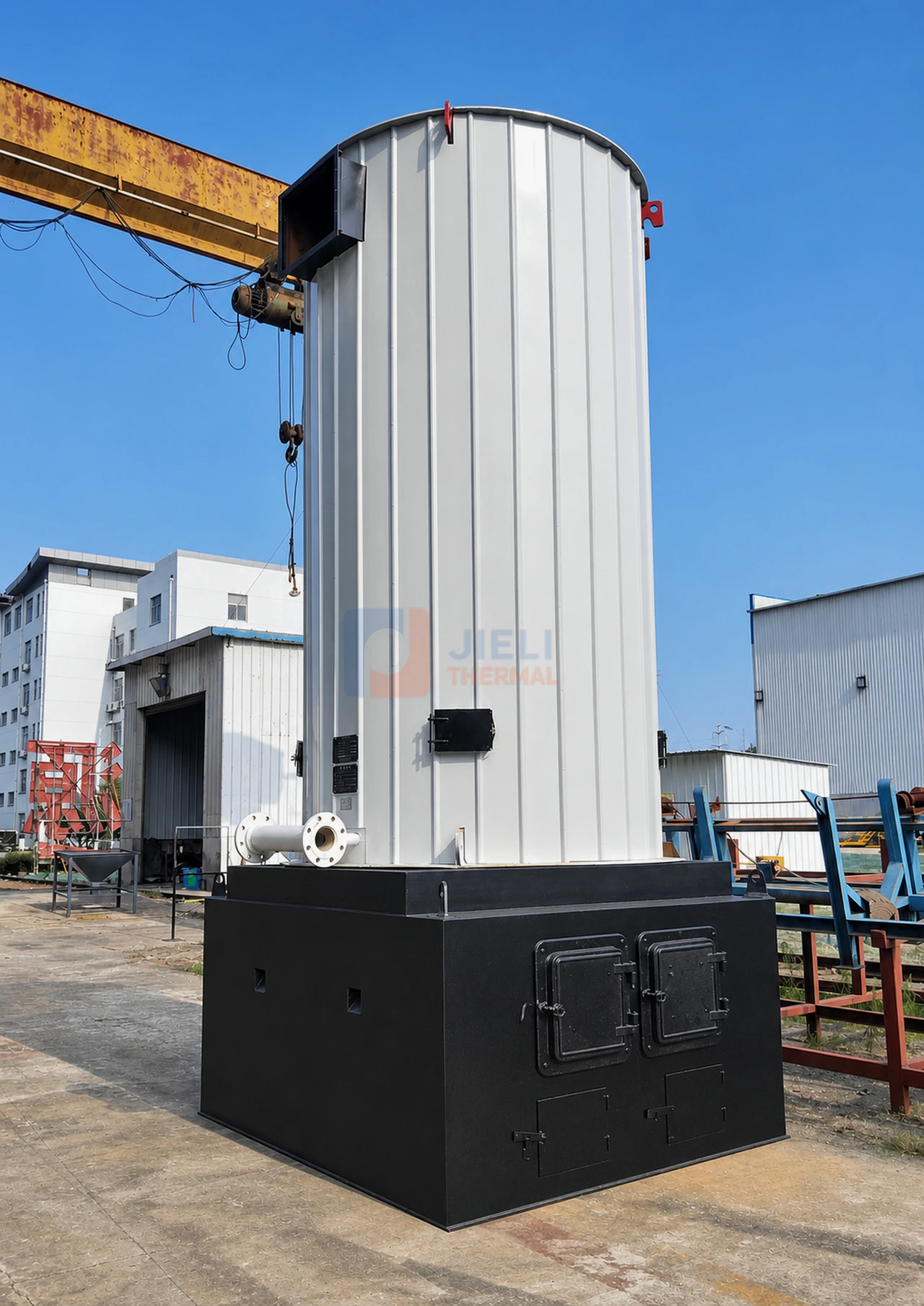
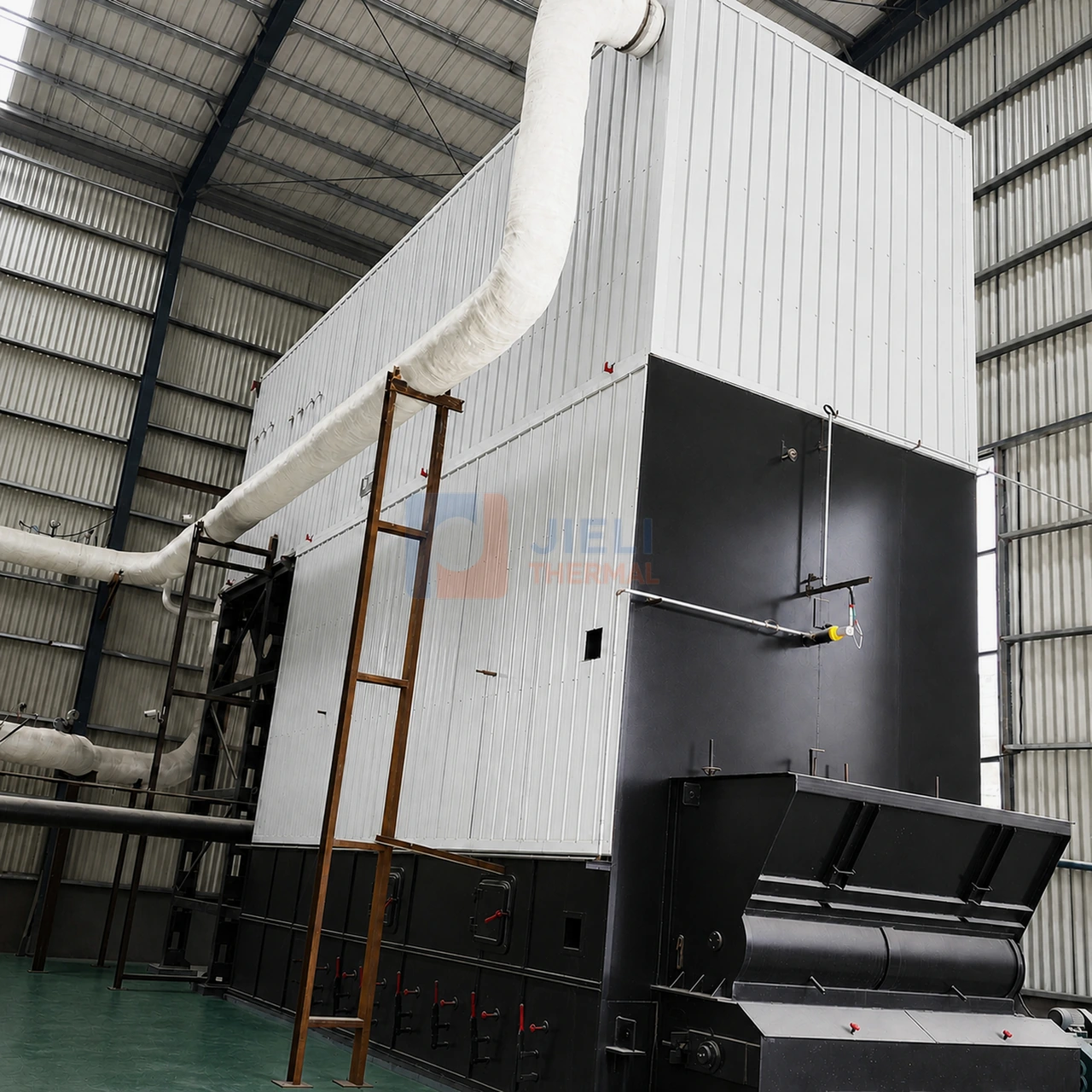
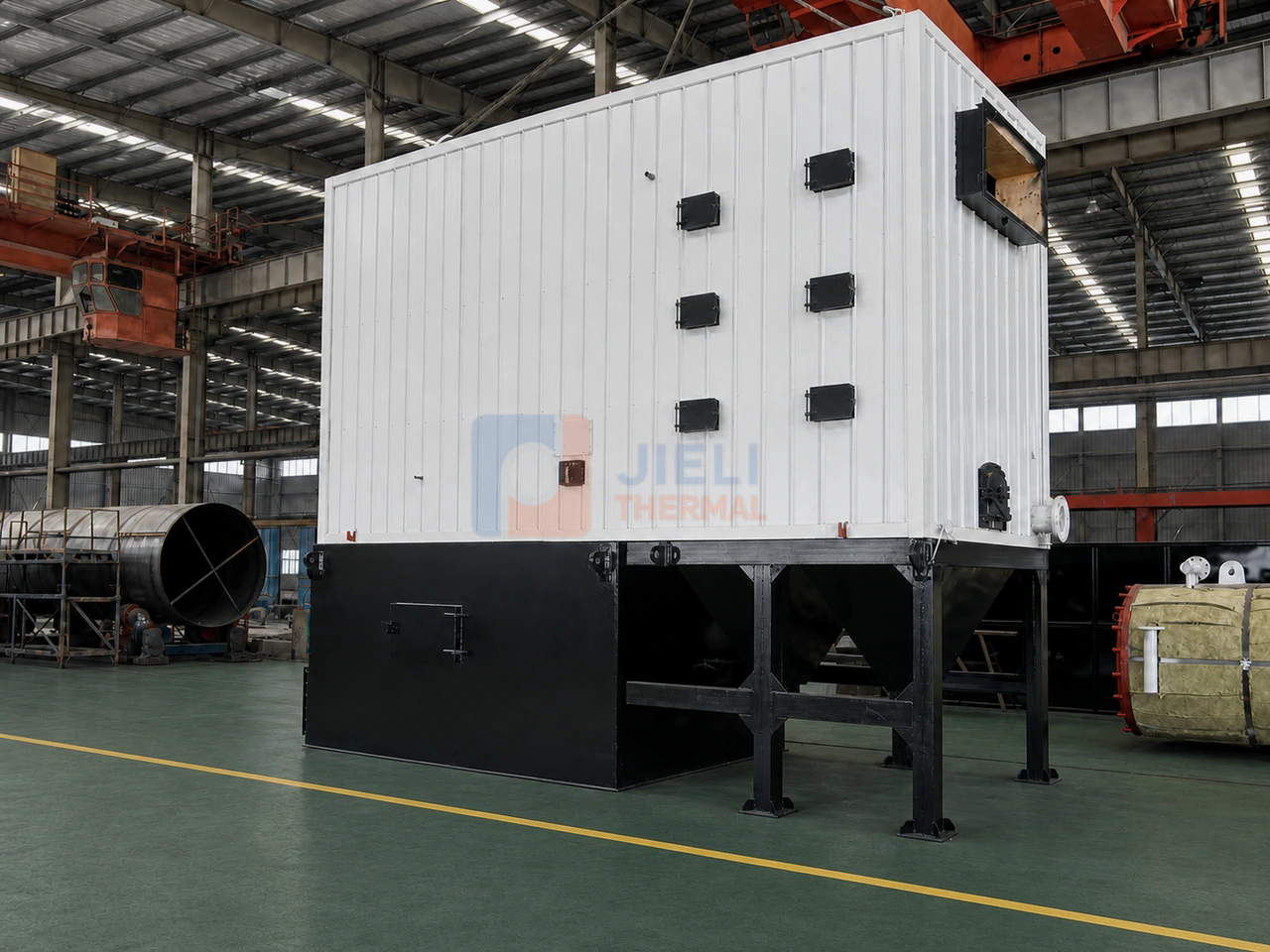
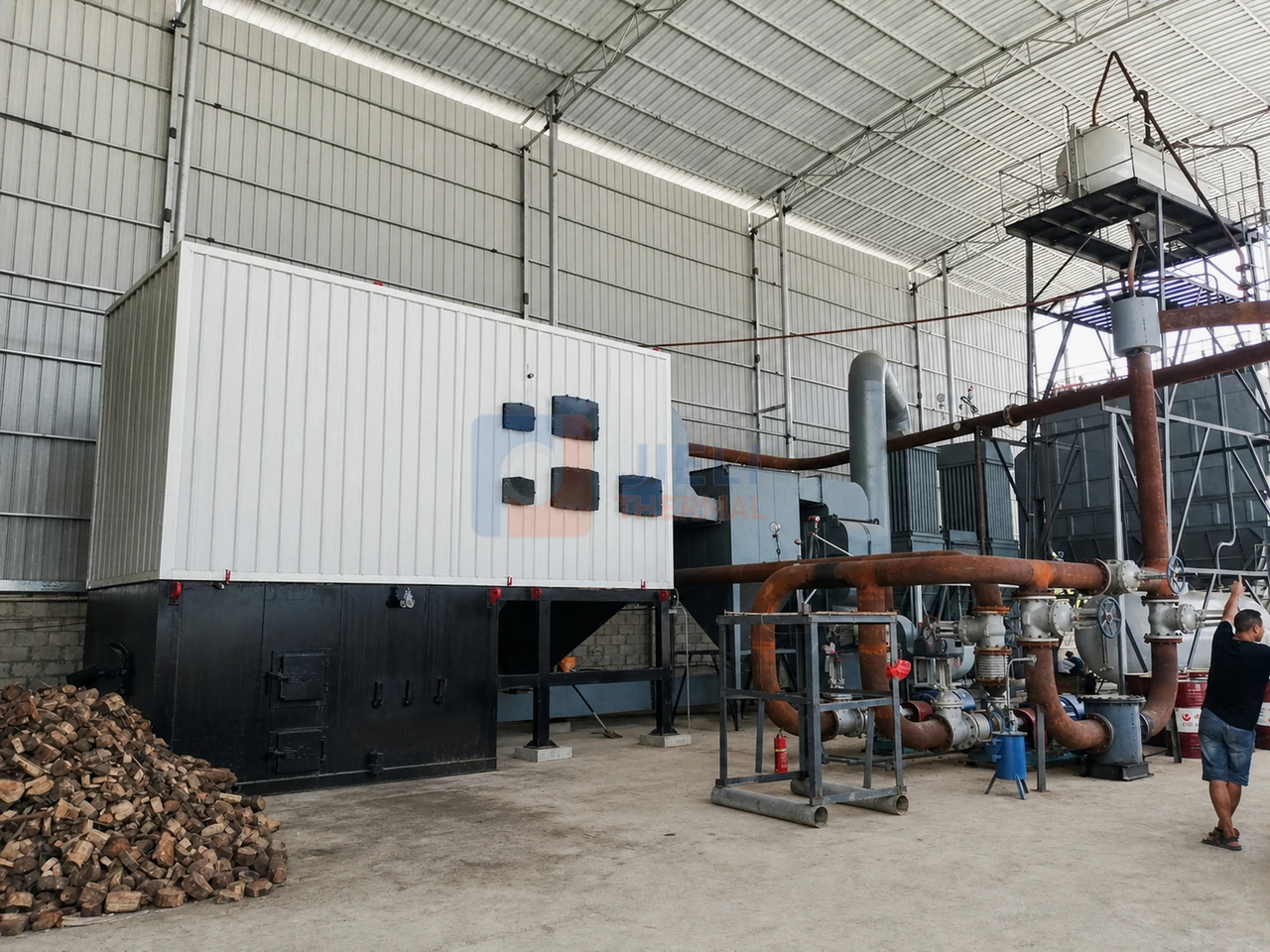
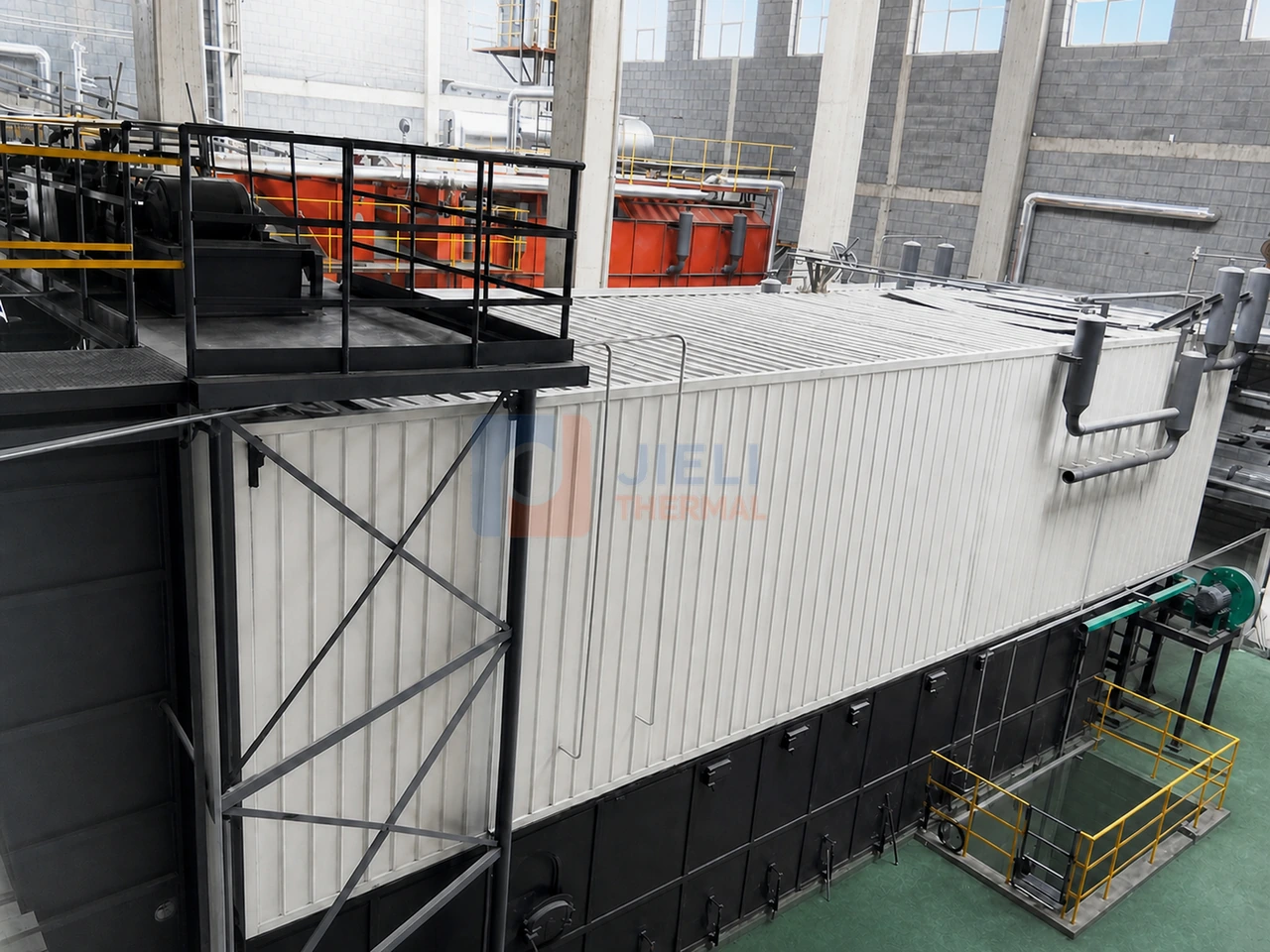
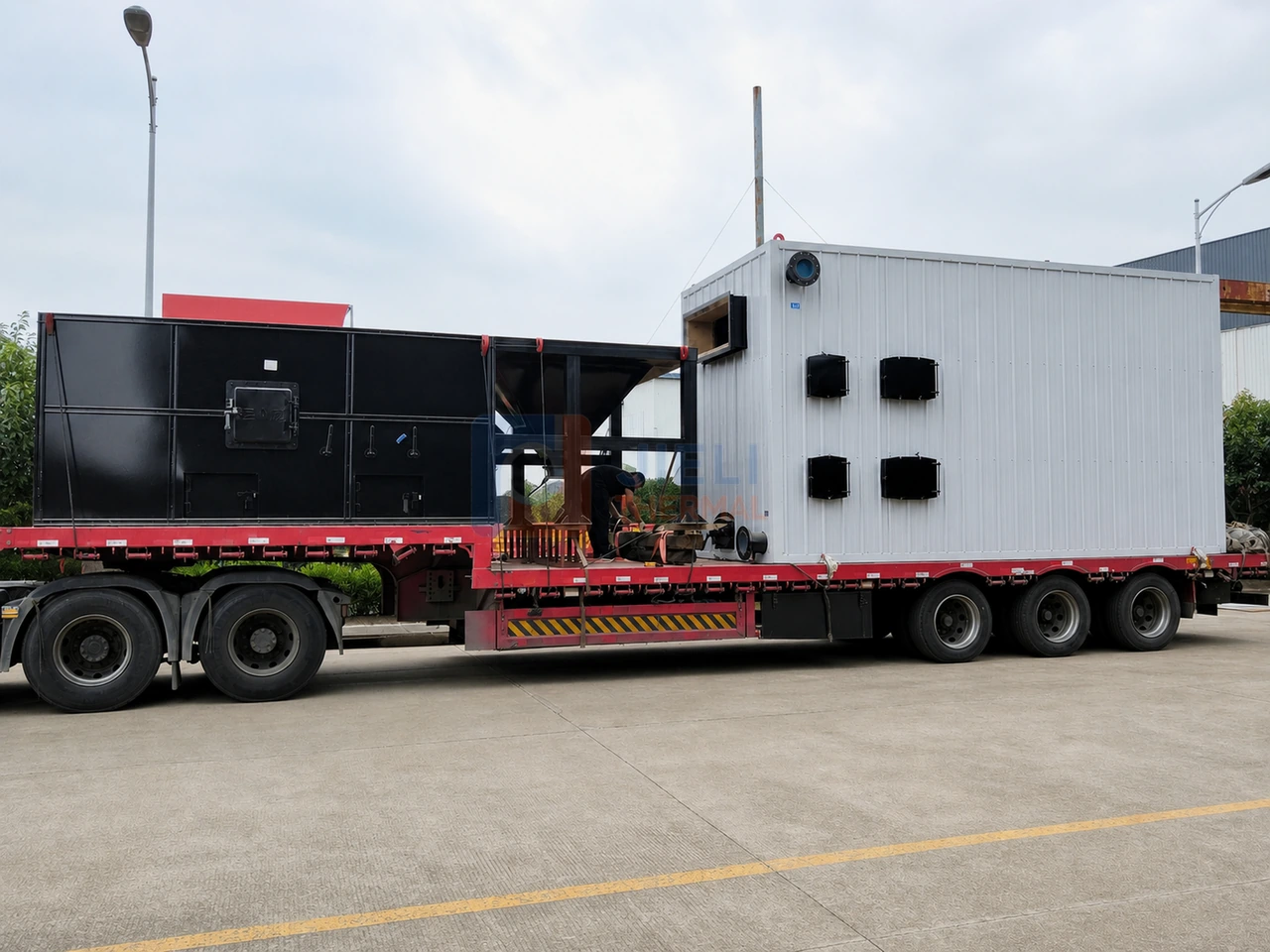
YLW and circulating-fluidized-bed arrangements shown through fabrication, coil production and actual plant installation.
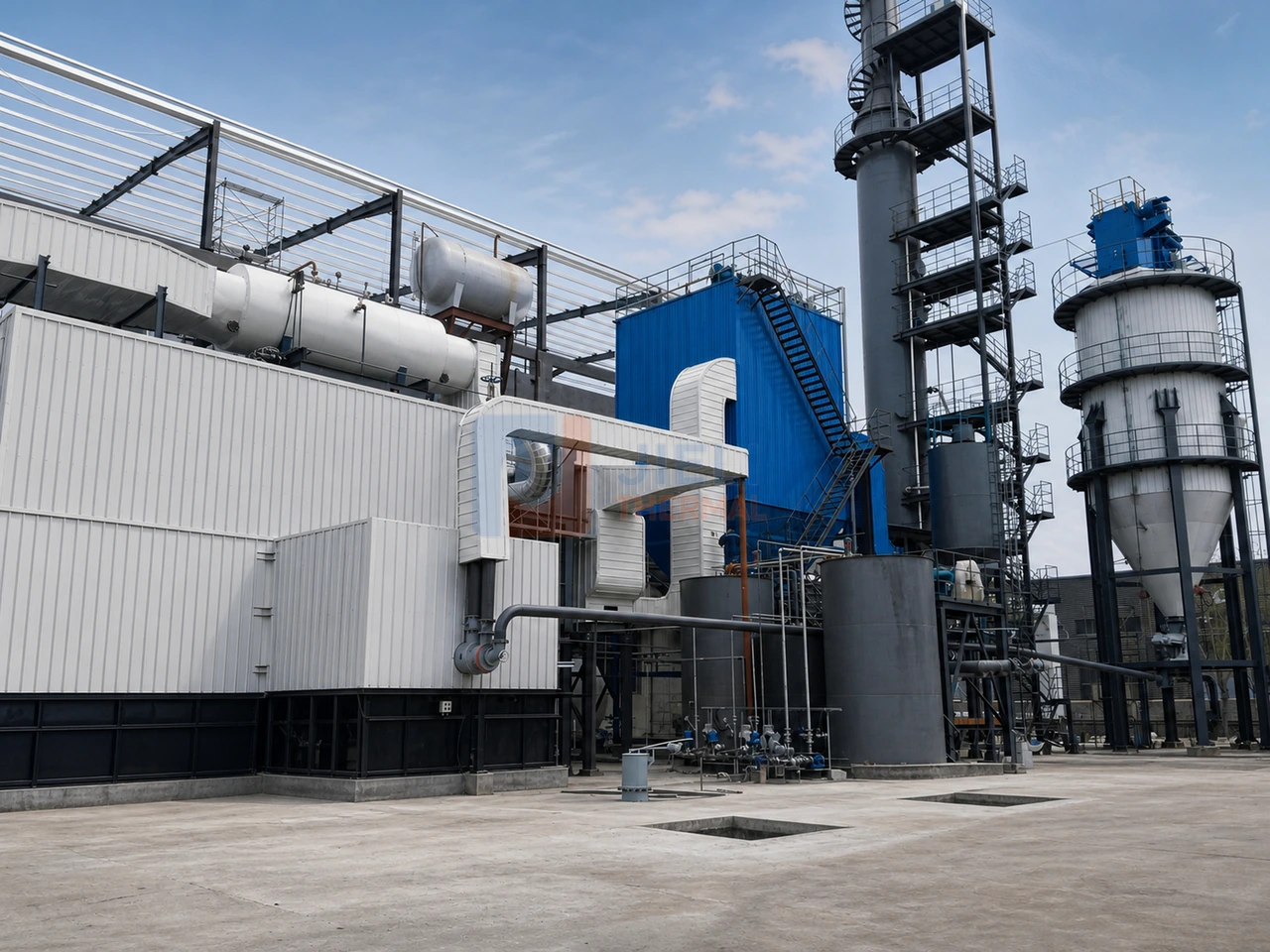
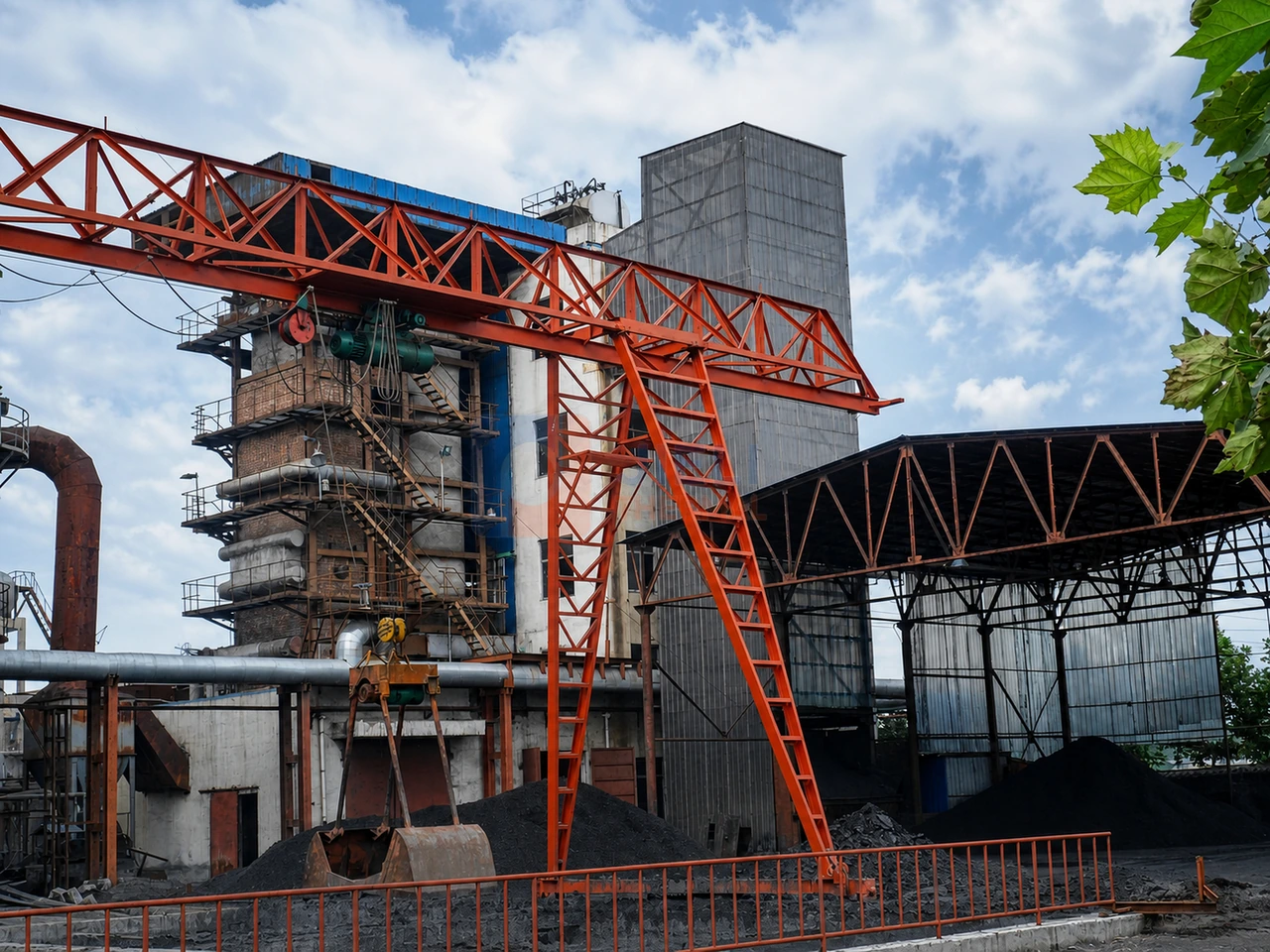
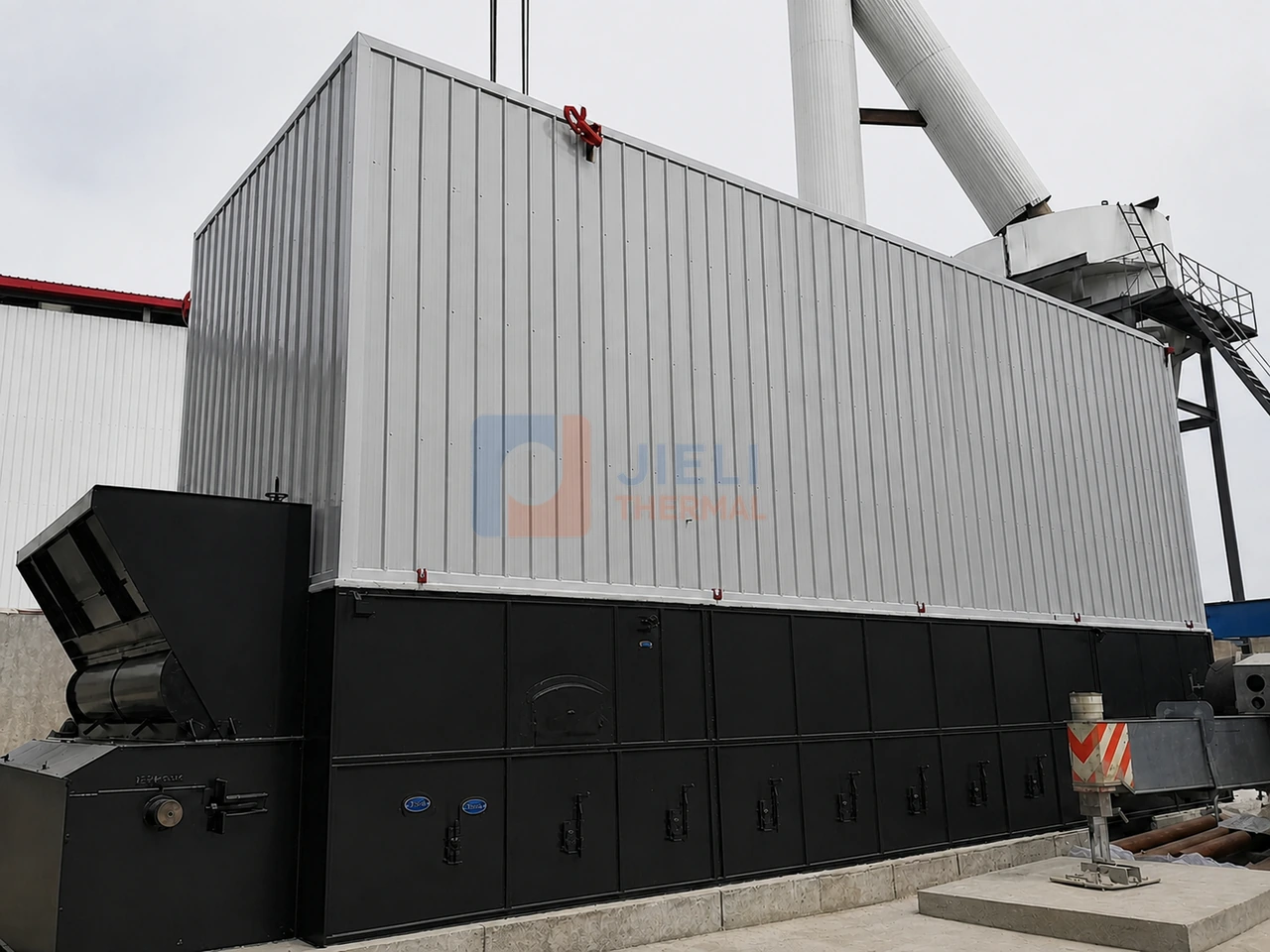
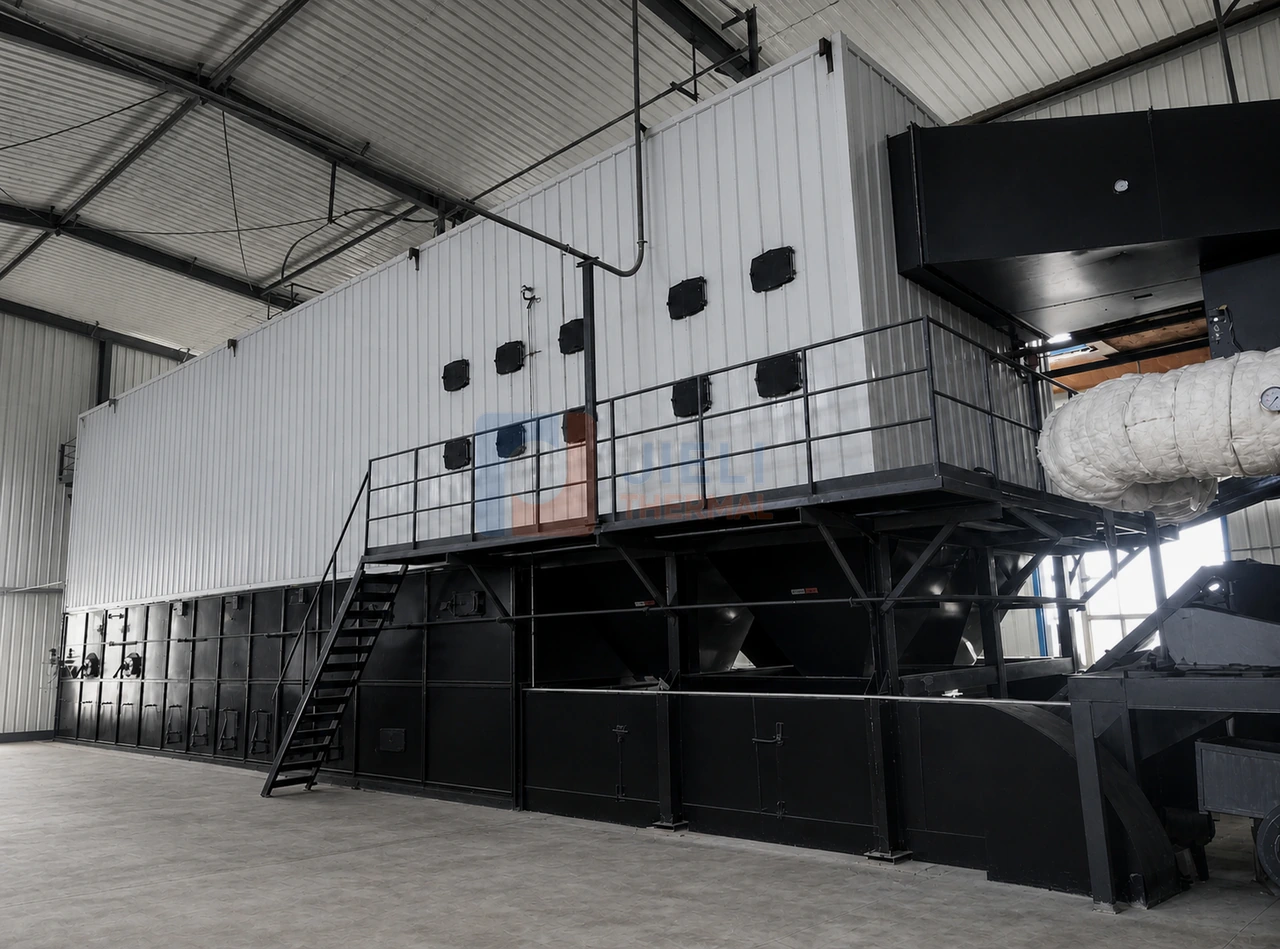
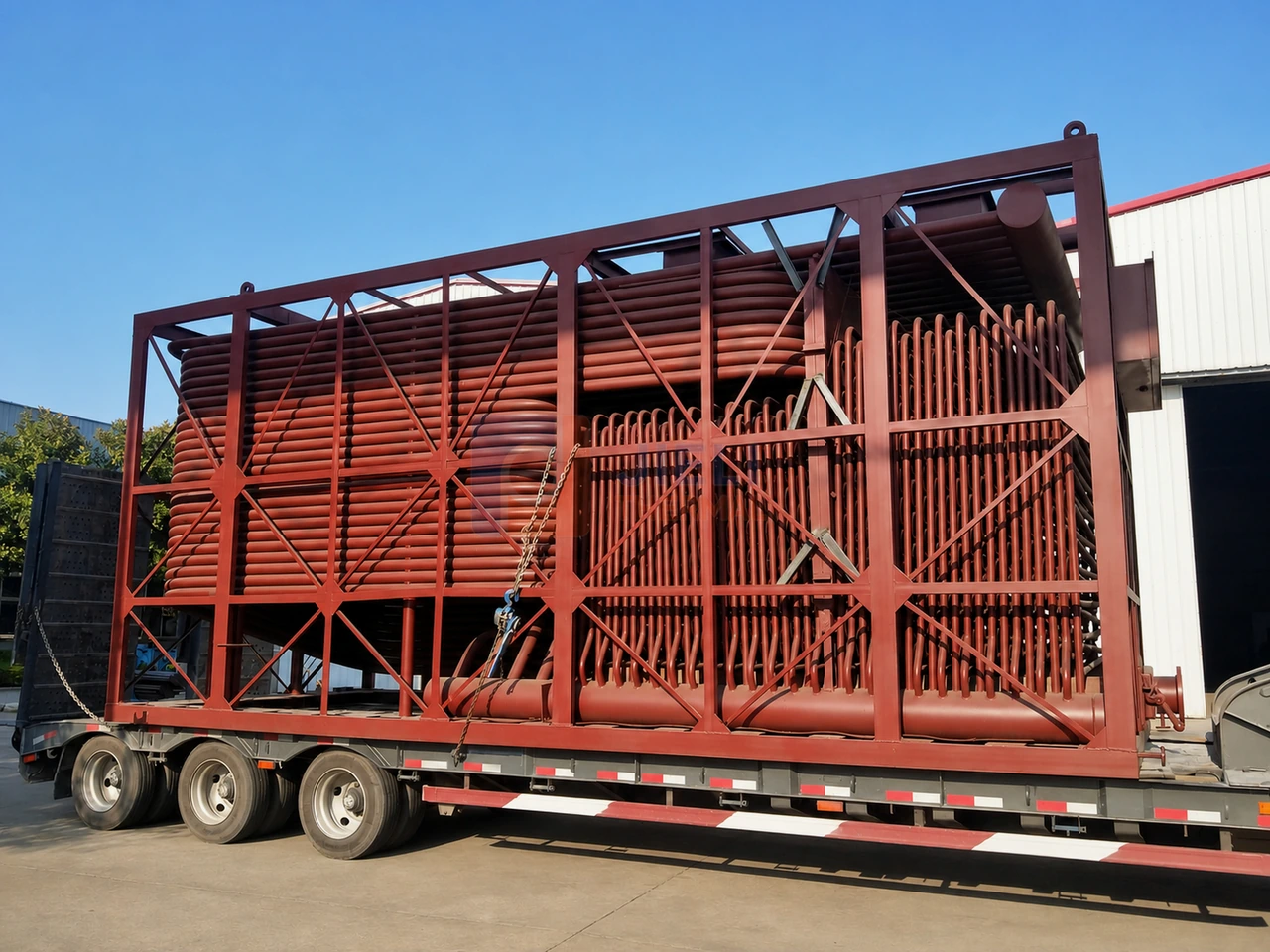
All photographs retain real equipment geometry and are served as responsive WebP assets; video is H.264 with metadata preload to protect page speed.
Engineering FAQ
These answers establish selection boundaries. The final design must be checked against the actual process, fluid data and applicable code.
See the manufacturer’s full thermal oil heater range and production evidence on JIELITHERMAL.com.
Usually yes. Thermal oil heater, thermal fluid heater, thermic fluid heater and hot oil boiler are regional terms for a closed-loop heat-transfer-fluid system.
Start with process heat duty and temperatures, then verify losses, efficiency, flow, pressure drop, fuel, turndown and startup profile. Nominal capacity alone is insufficient.
Yes, when moisture, size, ash and feed consistency are suitable for the selected combustion and handling system.
No. The fluid circulates below its permitted temperature limits, while the expansion/deaeration arrangement manages thermal expansion and released gases.
Request a selection check
Heat duty, outlet/return temperature, process flow, fuel, emissions, efficiency target, control and instrumentation preferences, supply scope and project country.